



Why the Humanities matter in a world of STEM and AI
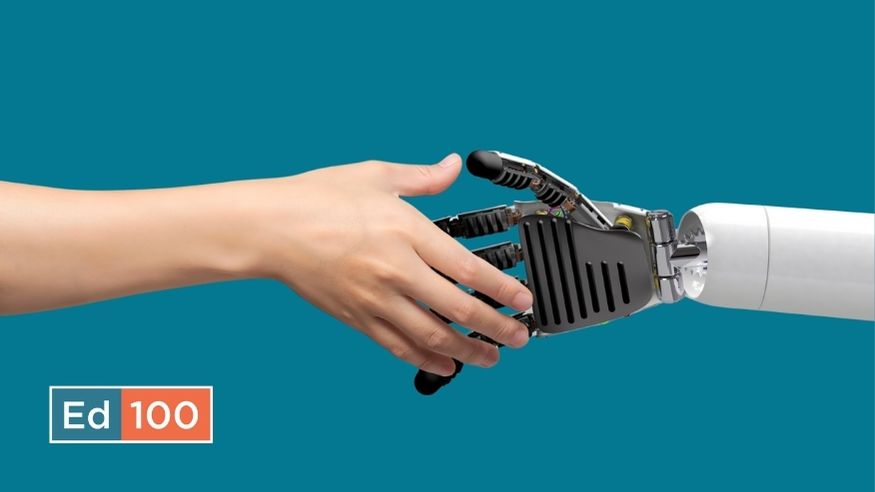
Education for humans
Parents hear a lot about the importance of STEM—science, technology, engineering, and math. These subjects prepare students for the jobs of the future, but here’s a question worth asking:
Where do students learn to understand people?
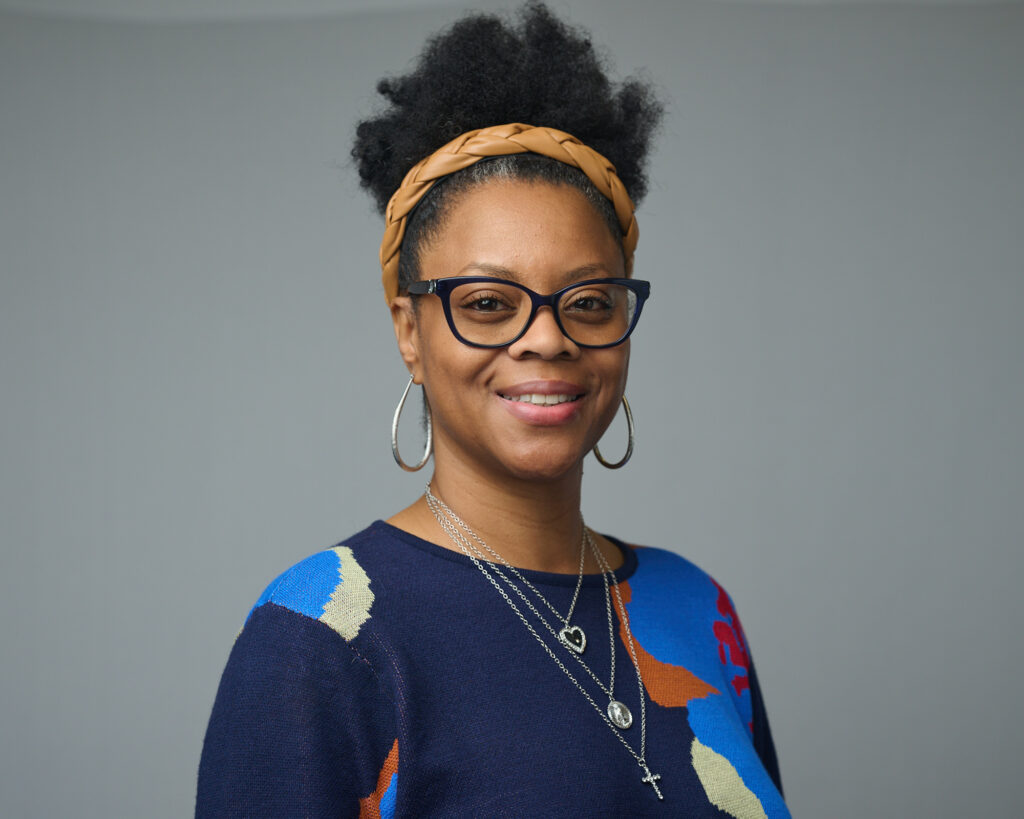
Shonda Moore
California Humanities
Not just facts and formulas, but empathy, communication, culture, and civic responsibility. These skills come from the humanities; recent patterns in California show that not all students have equal access to them.
What are the humanities, why do they matter, and what can families do to ensure every child benefits?
What are the humanities?
The humanities are subjects such as history, language arts, philosophy, world languages, and the arts: disciplines that teach critical thinking, the power of curiosity, and the joy of discovery.
The humanities help students understand themselves and others. They develop whole humans—young people who can think critically, communicate clearly, show empathy, and make sense of the world around them. Through the humanities, students explore identity, culture, creativity, and the big questions that shape our lives and communities.
What research and experience show
Both statewide research and my own experience—as a parent serving on a School Site Council and in parent organizations, and with more than a decade working in K–12 education—point to the same concern: opportunities to participate in more rigorous humanities learning are not evenly distributed across California.
Here are the patterns families should know:
Do all students have the same access to humanities classes?
They don’t. Students in more affluent communities are much more likely to have access to advanced learning experiences that deepen critical thinking, communication, cultural understanding, and creative expression.
Are students in high-poverty schools missing opportunities?
Often, yes. Schools in high-poverty settings typically offer fewer opportunities for students to engage deeply with storytelling, history, language, field trips, and the kinds of learning that help them understand themselves and the world around them.
How does participation vary by student group?
On statewide exams, many Black, Latino, and low-income students score significantly lower in English and history compared to their peers. Participation in advanced and rigorous humanities learning is also lower among students in these groups, suggesting that differences in opportunity and participation may be part of the broader picture.
How does California compare nationally?
California ranks near the bottom in reading and history performance, suggesting there’s work to do across the board.
Why the humanities matter even more in an AI Era
— Rick Noguchi
President and CEO
California Humanities
Artificial intelligence can analyze information and produce content, but it cannot teach empathy, cultural awareness, or ethical decision-making. It cannot prepare students to understand disagreement, examine community issues, or consider the human side of technological change.
Those skills come from the humanities, which help students learn how to:
- evaluate information and misinformation
- communicate with clarity and compassion
- understand different cultures
- think about the consequences of technology
- participate in civic life
STEM subjects prepare students to solve technical problems. The humanities prepare them to solve human ones.
In fact, business leaders are saying the same thing. Jamie Dimon, CEO of JPMorgan Chase, has noted that in an AI-driven economy, the most valuable skills are critical thinking, communication, and emotional intelligence. These are exactly the skills the humanities help develop.
What parents, PTA leaders, and community members can ask
You don’t need to be an expert to advocate for a balanced education. Here are questions anyone can bring forward:
| Questions you can ask to improve education in the humanities | |
|---|---|
|
Ask your principal |
• What humanities courses does our school offer? • Do all students—not just some—have access to advanced classes? • Are there barriers to enrollment? |
|
For School Site Councils or LCAP meetings |
• Are humanities courses part of our strategy for improving achievement? • How are arts, languages, and social sciences supported across grade levels? |
|
Ask your teachers |
• What will students learn in English, history, or the arts this year? • How can families reinforce this learning at home? |
|
Ask your superintendent |
• How is the district ensuring that every school offers strong humanities opportunities? • What is our plan for civic literacy and cultural learning? |
Why the humanities matter for California’s future
California is one of the most culturally diverse places in the world. Students need to understand diverse backgrounds, communicate respectfully, and think critically about the challenges facing their communities. They also need preparation for a future shaped by technology, AI, and rapid change.
STEM prepares students for the “how.” The humanities prepare them for the “why”—and for each other.
A final thought
A well-rounded education should not require students to choose between STEM and the humanities. California’s young people deserve access to both, no matter their ZIP code. If we want students who can adapt, lead, and contribute to the world they’re inheriting, humanities education must remain a core part of their school experience.
Shonda Moore is the Director of Marketing and Communications at California Humanities and a longtime parent leader in her local school community. With more than a decade of experience in K–12 education and service on School Site Council and parent organizations, she works at the intersection of storytelling, equity, and public engagement.
California Humanities, a nonprofit partner of the National Endowment for the Humanities, connects Californians to ideas and to one another to better understand our shared heritage and the many cultures that shape our state. For 50 years, our grants and programs have fostered connection, community, and learning through storytelling, dialogue, and the arts. To learn more, visit calhum.org, or follow us on Facebook, Instagram, YouTube, and LinkedIn.
Tags on this post
Purpose of education HumanitiesAll Tags
A-G requirements Absences Accountability Accreditation Achievement gap Administrators After school Algebra API Arts Assessment At-risk students Attendance Beacon links Bilingual education Bonds Brain Brown Act Budgets Bullying Burbank Business Career Carol Dweck Categorical funds Catholic schools Certification CHAMP Change Character Education Chart Charter schools Civics Class size CMOs Collective bargaining College Common core Community schools Contest Continuous Improvement Cost of education Counselors Creativity Crossword CSBA CTA Dashboard Data Dialogue District boundaries Districts Diversity Drawing DREAM Act Dyslexia EACH Early childhood Economic growth EdPrezi EdSource EdTech Education foundations Effort Election English learners Equity ESSA Ethnic studies Ethnic studies Evaluation rubric Expanded Learning Facilities Fake News Federal Federal policy Funding Gifted Grade inflation Graduation rates Grit Health Help Wanted History Home schools Homeless students Homework Hours of opportunity Humanities Independence Day Indignation Infrastructure Initiatives International Jargon Khan Academy Kindergarten LCAP LCFF Leaderboard Leadership Learning Litigation Lobbyists Local control Local funding Local governance Lottery Magnet schools Map Math Media Mental Health Mindfulness Mindset Motivation Myth Myths NAEP National comparisons NCLB Nutrition Pandemic Parcel taxes Parent Engagement Parent Leader Guide Parents peanut butter Pedagogy Pensions personalized Philanthropy PISA Planning Policy Politics population Poverty Preschool Prezi Private schools Prize Project-based learning Prop 13 Prop 98 Property taxes PTA Purpose of education puzzle Quality Race Rating Schools Reading Recruiting teachers Reform Religious education Religious schools Research Retaining teachers Rigor Rubrics School board School choice School Climate School Closures Science Serrano vs Priest Sex Ed Site Map Sleep Social-emotional learning Song Special ed Spending SPSA Standardized tests Standards Strike STRS Student motivation Student voice Success Suicide Summer Superintendent Suspensions Talent Taxes Teacher pay Teacher shortage Teachers Technology Technology in education Template Test scores Tests Time in school Time on task Trump Undocumented Unions Universal education Vaccination Values Vaping Video Volunteering Volunteers Vote Vouchers Winners Year in ReviewSharing is caring!
Password Reset
Search all lesson and blog content here.
Login with Email
We will send your Login Link to your email
address. Click on the link and you will be
logged into Ed100. No more passwords to
remember!









Questions & Comments
To comment or reply, please sign in .