
Ed100 Blog
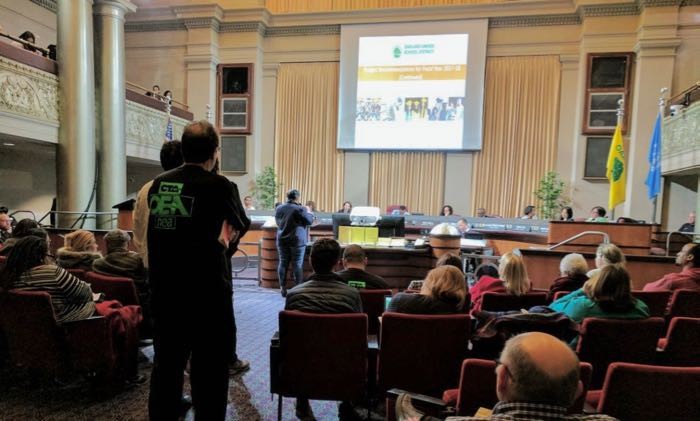
Local school boards are the heart of California's public school system. But what do they actually DO? This post begins a series to demystify the role and function of school boards.
California’s two-year legislative session has closed, with actions on more than 5,000 bills and resolutions. This post summarizes measures that matter for students, parents, and teachers.
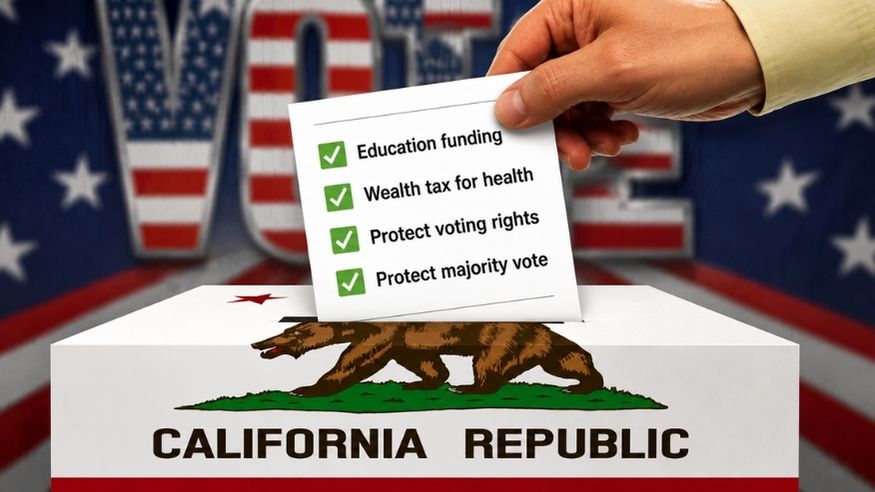
In California, ballot measures have had a huge impact on policies that affect children and the communities that support them. This post explains what’s at stake, along with the reasoning behind our recommendations as advocates for California’s children.

School board positions are elected offices. During the campaign season, candidates are incubating their positions on issues. What can you ask to figure out their qualifications and priorities? Carol suggests a dozen useful questions.

The student position on the California State Board of Education is the most powerful leadership role a high school student can play in American government. It's not an advisory position -- it's a full seat at the table. Zaid Fattah explains why and how to apply. The deadline is NOW.

Most California students graduate without registering to vote. Other states do better. This post explains why—and what high schools, PTAs, and communities can do to make voter registration a normal part of becoming an adult.

Fueled by a boom in tech stocks, California's education budget for 2026-27 includes new investments in special education, community schools, teachers, literacy, and more. There are risks. This post explains what’s in the budget, who benefits, and why some say it still isn’t enough.

What makes a high school “the best”? Rankings often reward selective admissions, wealth, and students who start ahead. This post looks beyond the lists to ask what school success really means.

How big is a billion-dollar school budget—or a $38 million shortfall? This post explains how to put education’s big numbers in context by translating them into people, time, and the services schools provide.

California is not a leader in math education. In fact, our students have gotten worse at it. Disagreement about how to fix the problem is so passionate that it has come to be known as the Math War. Here’s what you need to know.

Learning is mental work. Mental health challenges can make it harder for students to learn, attend school, and thrive. This post explains where students and families can turn for help, and why providing support through schools is both important and complicated.

Suppose you get offers from multiple colleges. How do you choose among them? How does the college selection process actually work? This post takes the mystery out of it, and offers a free tool to help make informed choices based on your own interests.

You're reading lessons on Ed100 because you want to help make schools better. Here's another reason: you could win MONEY for your school!
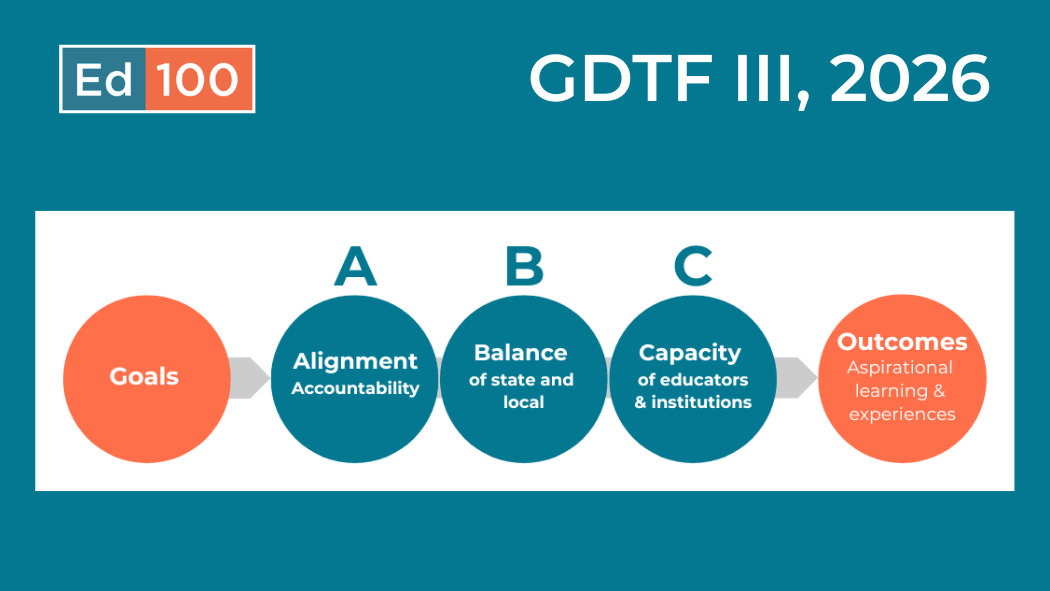
New, coordinated research about California’s education system is likely to shape policy discussions for years to come. The findings focus on themes of Alignment and Accountability, Balance, and Capacity. Here’s what you need to know.

In honor of Teacher Appreciation Week, Carol offers some unvarnished truth. The social status of the teaching profession in America has been declining for decades. To fix it, and improve education, will require money, not just flowers.
Tags
A-G requirements Absences Accountability Accreditation Achievement gap Administrators After school Algebra API Arts Assessment At-risk students Attendance Beacon links Bilingual education Bonds Brain Brown Act Budgets Bullying Burbank Business Career Carol Dweck Categorical funds Catholic schools Certification CHAMP Change Character Education Chart Charter schools Civics Class size CMOs Collective bargaining College Common core Community schools Contest Continuous Improvement Cost of education Counselors Creativity Crossword CSBA CTA Dashboard Data Dialogue District boundaries Districts Diversity Drawing DREAM Act Dyslexia EACH Early childhood Economic growth EdPrezi EdSource EdTech Education foundations Effort Election English learners Equity ESSA Ethnic studies Ethnic studies Evaluation rubric Expanded Learning Facilities Fake News Federal Federal policy Funding Gifted Grade inflation Graduation rates Grit Health Help Wanted History Home schools Homeless students Homework Hours of opportunity Humanities Independence Day Indignation Infrastructure Initiatives International Jargon Khan Academy Kindergarten LCAP LCFF Leaderboard Leadership Learning Litigation Lobbyists Local control Local funding Local governance Lottery Magnet schools Map Math Media Mental Health Mindfulness Mindset Motivation Myth Myths NAEP National comparisons NCLB Nutrition Pandemic Parcel taxes Parent Engagement Parent Leader Guide Parents peanut butter Pedagogy Pensions personalized Philanthropy PISA Planning Policy Politics population Poverty Preschool Prezi Private schools Prize Project-based learning Prop 13 Prop 98 Property taxes PTA Purpose of education puzzle Quality Race Rating Schools Reading Recruiting teachers Reform Religious education Religious schools Research Retaining teachers Rigor Rubrics School board School choice School Climate School Closures Science Serrano vs Priest Sex Ed Site Map Sleep Social-emotional learning Song Special ed Spending SPSA Standardized tests Standards Strike STRS Student motivation Student voice Success Suicide Summer Superintendent Suspensions Talent Taxes Teacher pay Teacher shortage Teachers Technology Technology in education Template Test scores Tests Time in school Time on task Trump Undocumented Unions Universal education Vaccination Values Vaping Video Volunteering Volunteers Vote Vouchers Winners Year in ReviewSharing is caring!
Password Reset
Search all lesson and blog content here.
Login with Email
We will send your Login Link to your email
address. Click on the link and you will be
logged into Ed100. No more passwords to
remember!