


Sex Education and Consent

A conversation about how to help children learn about sex and consent.
In 2026, students at Cornell University erupted in protest over how the college has responded to allegations of a gang rape incident at a fraternity. The university’s presidential task force concluded that students consistently arrive at the college inadequately prepared to navigate sex, communication, and consent.

Shafia Zaloom
Shafia Zaloom, an expert on sex education, has contributed several posts to Ed100 over the years. I asked her what California school communities can learn from this incident to help prevent assaults before they happen.
Carol: After all these years of teaching students sex education in school, why is this still happening? What are we getting wrong?
Shafia: Well-intentioned adults are missing critical opportunities when teaching about sexuality. As a sexual consent educator, I’ve been in conversation with many students and caretaking adults about the Cornell case and other incidents. A simple answer, gleaned from many conversations with adolescent boys: Students don’t understand what “consent” really means and its value in relationships.
And they don’t have the skills and confidence to stand up and intervene when others are breaking basic rules of morality. They need the support of parents and teachers to get this right.
So what are they getting wrong about consent?
In my work I find that it helps to provide a straightforward narrative that models language for what consent is and how it might look, sound, and feel. It’s critical to be concrete. Students benefit from examples of language and behavior using case studies or scenarios that feel authentic.
Consent is an agreement between people who understand what they are agreeing to. Consent laws are in place to protect people when they may not be able to protect themselves and to keep them fundamentally physically and emotionally safe.
It’s important that there be consent whenever there is a shift in the level of intimacy to know if what’s happening is consensual or welcome and wanted. We must ask and pay attention. Consent is revocable. Once someone indicates “no” or seems hesitant or unsure, there must be a pause in the sexual activity to check in. If that does not happen, there is a risk that someone will experience it as harmful.
So sex ed is more than teaching the kids about the birds and the bees. It’s helping students understand basic values?
It’s about teaching young people to cultivate mutual respect, care, dignity and joy in sustained relationships, whether romantic, sexual or neither. It’s about the capacity to love and be loved as we journey through life. The goal is not simply about healthier students, but young people who can contribute to a more compassionate, thoughtful, and kind society.
In the Cornell case, many students saw what was happening and didn’t intervene to stop it. How can sex education help strengthen bystanders?
Intervening can feel like a social risk. Sex education can help students be ready to do the right thing in the moment. Right To Be’s 5Ds for Bystander Intervention can help equip students with concrete examples so that intervention is like integrity. Not some big heroic event, but doing the right thing even when no one knows.
What are young people asking, especially boys and young men?

In the Ed100 blog
Sex education in California
They are asking for support. I appreciate that more folks value teaching their kids the definition of consent. It’s the foundation of relationships, it holds everything up, including the fundamentals of human dignity. And it certainly isn’t the ceiling. There’s so much more to relationships than what makes them legal.
Care-taking adults are also teaching kids to care, which is a critical component of putting consent into practice.
My students find it helpful when we discuss what might get in the way of doing what kids know is expected and right. This exploration can include hypotheticals, or incidents you’ve “heard” or read about, or witnessed, or experienced.
What strategies support meaningful conversation with students?
Ask questions that inspire reflection, allowing kids to be experts in their own experience. Avoid “why” — because you’ve already made a judgement if you start with that. Lead with “what” and “how.”
Focus on social power dynamics that are relevant to a young person’s age. For example, elementary grade students navigate playground power plays like who gets to participate in certain recess games. Middle school students negotiate social power with who has what information about who crushes on whom. High school students understand what may become difficult because there is an older, more experienced sports team captain, who is involved in tryouts and there is a younger recruit for instance.
Affirm care as a value. Ask questions like “What would make it hard to care in that moment? Someone who’s different from you? Who isn’t your friend? Who is a target of bullying?” Consider asking “What would it take to care so that you would act and do something to help?” and of course, “Where are the helpers? What might they do and could you go get them?”
How can adults model caring and moral motivation?
The vast majority of people agree that care is a universal value. Discussion can provide the opportunity for students to think about moral choices. For example:
When do we care? Who do we care about? Do we care enough to empathize with and honor the dignity of others who are different from us or who we disagree with? What role does empathy play and how do we cultivate it so that we prioritize a more difficult moral choice?
Support self-regulation practice and guide kids to name their feelings and how those feelings could activate behavior. A good resource is RULER, an evidence-based approach to social and emotional learning (SEL) developed at the Yale Center for Emotional Intelligence. Another resource, the Making Caring Common Project from the Harvard Graduate School of Education, includes useful examples to expand empathy to the greater good.
What should we teach students to do when they witness harmful behavior?
Many of my students express a desire to intervene when they witness harmful behavior, but they hold back from taking action. They tell me that a heroic, dramatic shut down is unrealistic given the realities of the social landscape they navigate. Young people need options and to understand that the goal is to interrupt the dynamic.
The nonprofit Right To Be provides useful examples of bystander intervention that students should understand. These can be used to support someone who’s being harassed. The 5Ds of Bystander Intervention are different methods — Distract, Delegate, Document, Delay, and Direct — that you can use to support someone who’s being harassed. Emphasize that harassment is not okay, and demonstrate to people in your life that they have the power to make their community safer.

In the Ed100 blog
The Importance of Consent
Sometimes we forget as adults, that just saying “no” can feel impossible for most kids. They aren’t just saying no to the weed, or the risky behavior, or the harmful act, they are saying no to the person offering it to them and/or the person engaged who may have more social power than them.
Compassion from adults goes a long way with this one. Social refusal skills are hard for adults. Students need help to develop them.
How that happens means something. It could mean everything. So go over all of the options. Focus on what feels doable, and don’t get stuck on the idea that there is only one way to disrupt what’s happening.
Courage doesn’t have to be perfect. But to respond with it, Brené Brown tells us we need to call upon our capacity to manage vulnerability. Be clear about our values and the capacity to be vulnerable despite the discomfort because it is the heart of empathy and courage.
What should a comprehensive sexual education program look like that includes compassion and caring?
Young people are in Gender and Sexuality School all day long. Their ideas about sexuality are shaped by the people they meet, the media they see, the implicit and explicit messages out in our greater culture, what we say and don’t say at home and at school.
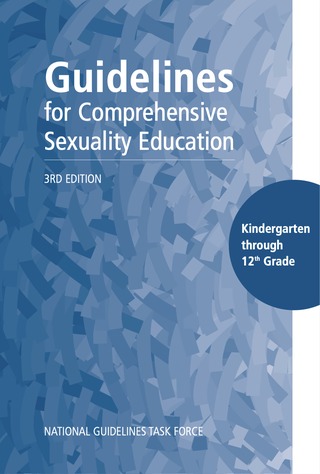
SIECUS
Guidelines for Comprehensive Sexuality Education
Comprehensive sexuality education helps delay sexual activity. If students choose to engage in sexual activity, they are more inclined to choose safe sexuality practices, and they are more relational through their communication skills. All of this protects kids from negative behavioral experiences like anxiety, depression, suicidal ideation, and eating disorders. It is also a primary method of sexual violence prevention.
The Cornell case was yet another wake-up call. Students need help to think through what ethical sexual citizenship actually looks like in practice. Schools are a great place to get that help.
 Shafia Zaloom is a health educator, consultant, author, and parent who specializes in healthy sexuality and relationship education. Her work centers on human development, community building, ethics and social justice.
She is the author of two books: Sex, Teens, & Everything in Between, and most recently, Getting Real About Sex Ed: What Today’s Students Need.
Tags on this post
All Tags
A-G requirements Absences Accountability Accreditation Achievement gap Administrators After school Algebra API Arts Assessment At-risk students Attendance Beacon links Bilingual education Bonds Brain Brown Act Budgets Bullying Burbank Business Career Carol Dweck Categorical funds Catholic schools Certification CHAMP Change Character Education Chart Charter schools Civics Class size CMOs Collective bargaining College Common core Community schools Contest Continuous Improvement Cost of education Counselors Creativity Crossword CSBA CTA Dashboard Data Dialogue District boundaries Districts Diversity Drawing DREAM Act Dyslexia EACH Early childhood Economic growth EdPrezi EdSource EdTech Education foundations Effort Election English learners Equity ESSA Ethnic studies Ethnic studies Evaluation rubric Expanded Learning Facilities Fake News Federal Federal policy Funding Gifted Grade inflation Graduation rates Grit Health Help Wanted History Home schools Homeless students Homework Hours of opportunity Humanities Independence Day Indignation Infrastructure Initiatives International Jargon Khan Academy Kindergarten LCAP LCFF Leaderboard Leadership Learning Litigation Lobbyists Local control Local funding Local governance Lottery Magnet schools Map Math Media Mental Health Mindfulness Mindset Motivation Myth Myths NAEP National comparisons NCLB Nutrition Pandemic Parcel taxes Parent Engagement Parent Leader Guide Parents peanut butter Pedagogy Pensions personalized Philanthropy PISA Planning Policy Politics population Poverty Preschool Prezi Private schools Prize Project-based learning Prop 13 Prop 98 Property taxes PTA Purpose of education puzzle Quality Race Rating Schools Reading Recruiting teachers Reform Religious education Religious schools Research Retaining teachers Rigor Rubrics School board School choice School Climate School Closures Science Serrano vs Priest Sex Ed Site Map Sleep Social-emotional learning Song Special ed Spending SPSA Standardized tests Standards Strike STRS Student motivation Student voice Success Suicide Summer Superintendent Suspensions Talent Taxes Teacher pay Teacher shortage Teachers Technology Technology in education Template Test scores Tests Time in school Time on task Trump Undocumented Unions Universal education Vaccination Values Vaping Video Volunteering Volunteers Vote Vouchers Winners Year in ReviewSharing is caring!
Password Reset
Search all lesson and blog content here.
Login with Email
We will send your Login Link to your email
address. Click on the link and you will be
logged into Ed100. No more passwords to
remember!









Questions & Comments
To comment or reply, please sign in .
Jeff Camp - Founder November 6, 2026 at 2:26 pm
Administrators and board leaders of high schools and middle schools need to think it through, too. As Shafia Zaloom points out in this post, effective sex ed can help prepare students to know ahead of time what they can do.